For appointment and information, you can rich us on +90532 433 6003(whatsapp)


 Obstetrician, Gynecologist, Genital Esthetic Surgeon in Turkey
For appointment and information, you can rich us on +90532 433 6003(whatsapp)
Obstetrician, Gynecologist, Genital Esthetic Surgeon in Turkey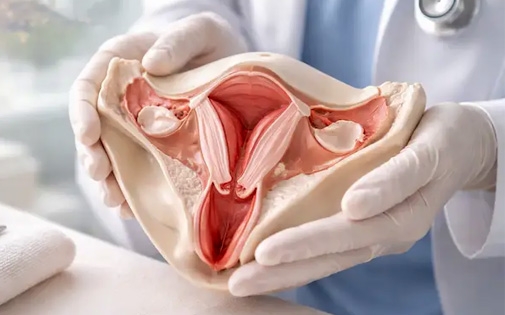
Vaginoplasty is a surgical procedure performed to reshape, tighten, and functionally strengthen the anatomical structure of the vagina. This operation is preferred to correct vaginal laxity and widening that may occur due to childbirth, aging, hormonal changes, and connective tissue weakness. Vaginoplasty is not only an aesthetic procedure; it can also improve pelvic floor support, leading to enhanced sexual function, self-confidence, and overall quality of life.
During the surgical procedure, the vaginal canal is tightened, relaxed muscle tissues are brought closer together, and excess mucosal tissue is removed. As a result, both anatomical integrity is restored and a stronger functional structure is achieved. The procedure is usually performed under local or general anesthesia, and most patients can return to daily life within a short period.
From a medical terminology perspective, the more precise term for vaginoplasty is often “posterior colporrhaphy” (posterior vaginal wall repair). However, in clinical practice, the term “vaginoplasty” is widely used among patients to generally describe surgical vaginal tightening procedures.
This operation may also be referred to by different names in everyday language, such as vaginal tightening surgery, vaginal rejuvenation, vaginal tightening, vaginal repair, or vaginal reconstruction surgery. Although there are some non-surgical alternatives, the term “vaginoplasty” is most commonly used to describe surgical procedures aimed at vaginal tightening.
The vagina is an important part of the female reproductive system. It is an elastic muscular canal approximately 8–10 cm in length. Its structure allows it to expand and contract like an “accordion,” which plays a crucial role during sexual intercourse and childbirth.
The vaginal opening begins at the level of the hymen, which forms a boundary between the internal and external genital structures, and extends upward to the cervix (the neck of the uterus). The vagina is a highly dynamic structure both anatomically and functionally. Over time or due to various factors, it may partially lose its elasticity. Vaginoplasty, in this context, is a treatment option aimed at restoring both the structural and functional characteristics of the vagina.
Vaginoplasty is not a single standardized procedure; it may involve different techniques depending on the patient’s needs. The most common types include:
Posterior vaginoplasty (posterior wall repair): One of the most commonly performed techniques. It corrects laxity in the posterior vaginal wall and is especially preferred in cases of postpartum widening. It also strengthens the pelvic floor muscles.
Anterior vaginoplasty (anterior wall repair): Performed in cases of anterior vaginal wall laxity related to the bladder. It is often associated with functional problems and may help improve symptoms such as urinary incontinence.
Combined vaginoplasty (anterior + posterior repair): Used in patients with both anterior and posterior vaginal laxity. It provides a more comprehensive tightening and structural support. It is particularly preferred in patients with multiple vaginal deliveries.
Vaginoplasty combined with perineoplasty: Performed together with correction of the perineal area (vaginal entrance). It tightens the vaginal introitus and improves aesthetic appearance. It is commonly used in patients with childbirth-related tears or episiotomy scars.
Laser or energy-based vaginal tightening procedures: These are non-surgical alternatives. They aim to stimulate collagen production in vaginal tissues, leading to mild tightening. However, their effects are more limited compared to surgical vaginoplasty, and proper patient selection is essential.
Reconstructive vaginoplasty: Performed to correct structural abnormalities caused by trauma, congenital conditions, or previous surgeries. These procedures focus more on functional restoration than aesthetics.
Each vaginoplasty plan is individualized. The patient’s anatomy, symptoms, and expectations are carefully evaluated to determine the most appropriate technique. Therefore, a detailed preoperative assessment and proper patient selection are critical for achieving successful outcomes.
Vaginoplasty Antalya is a surgical procedure aimed at tightening and reconstructing the vaginal canal to restore both functional and anatomical integrity. It is commonly performed to address vaginal laxity caused by childbirth, aging, or connective tissue weakening, and may also help improve pelvic floor support and related symptoms such as decreased sexual satisfaction or mild urinary incontinence.
The procedure is individually planned after a detailed medical evaluation, as some patients may also require additional procedures such as labiaplasty or perineal repair. In Antalya, vaginoplasty is typically performed as a day-case surgery under local or general anesthesia, with most patients returning to daily life within a short recovery period while following recommended postoperative care guidelines.
Patients most commonly seek vaginoplasty surgery due to vaginal laxity and pelvic floor muscle damage that often occur after childbirth. In these cases, women report that excessive vaginal widening negatively affects their sexual life.
In some patients, there may also be associated problems such as involuntary urinary incontinence, or loss of gas or stool control. These conditions can cause difficulties not only in sexual life but also in daily living. They may reduce self-confidence and lead to decreased sexual desire.
Vaginoplasty is a surgical procedure performed to tighten vaginal tissue that has become loose and widened over time. The structure of the vagina may lose its elasticity and firmness due to factors such as aging, vaginal deliveries, hormonal changes, gynecological procedures, and weakening of connective tissues. In some women, this may lead to reduced sensation during intercourse and, consequently, decreased sexual satisfaction. Vaginoplasty aims to provide both functional and aesthetic improvement.
During the operation, excess and loosened vaginal tissue is removed, and the underlying muscle layers are brought closer together to narrow the vaginal canal. This results in a tighter and more supported vaginal structure. When necessary, the perineal area at the vaginal opening can also be repaired. Deformities, scars, or color changes resulting from childbirth can be corrected, leading to a more aesthetic appearance.
In addition to tightening, vaginoplasty may also help improve certain functional problems. In particular, mild urinary incontinence and pelvic floor weakness that develop after childbirth can be corrected with appropriate surgical techniques.
Furthermore, some women may have a naturally wider vaginal structure even without childbirth. In young patients who have never given birth, a structurally wide and lax vagina may still be present. This condition is sometimes described in the literature as a “wide and soft vagina,” and it can be successfully corrected with surgery in appropriately selected patients.
In summary, vaginoplasty is a personalized surgical procedure aimed at restoring vaginal tightness, improving pelvic support, and enhancing both physical and psychological well-being.
Pelvic floor weakness and prolapse can develop for various reasons. The most common causes are pregnancy and childbirth. Additionally, conditions that increase intra-abdominal pressure such as obesity and chronic cough, as well as aging, may also contribute to pelvic organ prolapse.
Weakening and loss of support in the tissues can lead to various symptoms. Some patients may feel this laxity as a palpable mass in the vagina. Depending on the affected area, anterior wall weakness may result in bladder prolapse (cystocele),posterior wall weakness in rectal prolapse (rectocele),and apical support weakness in uterine prolapse (uterine descent).
Some patients may experience pain related to prolapse. In others, involuntary urinary, fecal, or gas incontinence may occur. A portion of patients may also feel discomfort during sexual intercourse.
If the patient is working, it is recommended to arrange at least 1 week of leave in order to rest properly after the surgery. Even if the patient is not working, support from family members may be needed to ensure adequate rest at home during this period. In addition, since hair removal (e.g., waxing or epilation) is not recommended for a period after the procedure, these preparations may be completed before surgery if desired.
In the days leading up to the procedure, it is advisable to prefer easily digestible foods such as soups and liquid-based meals.
Some patients watch vaginoplasty surgery videos before the operation. However, viewing such content by non-medical individuals may increase anxiety. We do not consider the publication or viewing of these videos appropriate unless they are used strictly for professional medical education purposes.
During vaginoplasty, the patient is placed in the lithotomy position (gynecological examination position) under anesthesia. A triangular segment of tissue of appropriate size is removed from the posterior vaginal wall.
The underlying muscle layers beneath the mucosa are tightened using strong sutures. Then, the mucosal layer is closed with sutures. In most cases, absorbable sutures are used.
If necessary, excess tissue from the external genital area (perineum) may also be removed to achieve a more aesthetic appearance, particularly in cases of sagging, dark pigmentation, or previous suture scars. Additionally, a surgical vaginal packing may be placed, which is later removed by the physician during follow-up if needed.
The hygiene of the operating environment, adequacy of equipment, and use of modern surgical techniques are also extremely important in vaginoplasty procedures. Vaginal rejuvenation surgeries can be performed not only in hospitals but also in appropriately equipped outpatient clinics.
Although vaginoplasty can be performed under local anesthesia, for patient comfort it is most commonly performed under local anesthesia combined with sedation. In this case, the patient is asleep during the procedure and does not feel or remember anything from the surgery.
Some patients come from out of town for the procedure. If they are accompanied by a relative, they may travel on the same day by road or air. However, driving is not recommended on the day of anesthesia. Lifting heavy luggage is also not advised.
After vaginal tightening surgery, genital hygiene is very important. The patient may shower while standing. However, bathing in a tub, swimming, engaging in sports, and sexual activity are restricted for 4–6 weeks.
During the first week after surgery, painkillers may be used if needed, and a liquid or easily digestible diet is recommended. Rest is important, and heavy lifting should be avoided. Since absorbable sutures are usually used, suture removal is not required.
For the first 6 weeks:
Patients should shower while standing. The genital area should be washed by directing water from front to back and kept clean and dry afterward. Cotton underwear should be preferred, or in hot weather, only a nightgown may be worn to allow ventilation.
The first one to two weeks after surgery may be painful, with the first few days usually being the most uncomfortable. Mild bleeding or blood-tinged discharge is considered normal during this period. Sitting directly on the stitches can be painful; therefore, lying on the side is recommended. If the patient needs to sit, a special cushion with a hole in the middle (donut cushion) may be used.
In recent years, studies have been published on vaginal tightening using devices based on laser, radiofrequency, or ultrasound energy. However, these methods are significantly less effective compared to surgical procedures. In patients with significant vaginal laxity and prolapse, surgical vaginal tightening remains the most effective treatment.
Patients who undergo laser vaginal tightening often do not achieve the desired results and may later seek surgical correction.
The cost of laser vaginal tightening is roughly comparable to surgery, and it should be considered that its effectiveness is limited when compared with surgical treatment before making a decision.
Although some patients share their experiences on forums such as “Women’s Health” platforms, it should be noted that some of these comments may be used for commercial or promotional purposes, and therefore should be evaluated with caution.
Vaginoplasty can provide a narrower vaginal canal, which may contribute to a more satisfying sexual life. Studies have shown that after this surgery, patients often experience increased sexual desire and arousal, as well as improved orgasm rates—likely due to improved self-confidence.
However, if a patient has an underlying sexual dysfunction, this condition cannot be treated with surgery alone and requires sexual therapy. Recognizing this and guiding the patient appropriately is the responsibility of the surgeon.
As with any surgical procedure, pain and limited mobility may occur during the recovery period after vaginoplasty. The most intense pain is usually experienced during the first week. However, during the full healing period of 4–6 weeks, patients are advised to avoid swimming, sports, and sexual activity.
Labiaplasty is a surgical procedure performed on the labia minora (inner vaginal lips). It is used in cases where the inner labia are enlarged, sagging, or asymmetrical. It can be performed at the same time as vaginoplasty.
Hymenoplasty (hymen reconstruction surgery) is performed for social and cultural reasons. It can be carried out at the same time as vaginal tightening surgery.
We receive many questions about vaginoplasty prices through our social media accounts and website.
Providing exact information about genital aesthetic prices is not appropriate, because determining the type of surgery a patient needs cannot be done without a consultation and physical examination. Making a decision without evaluation would not be medically accurate.
For example, a patient who initially requests information about vaginal tightening surgery may actually be found to also need a labiaplasty, or may specifically request labiaplasty during examination. Conversely, a patient who requests vaginoplasty may be evaluated and found to not need any surgical intervention at all.
Vaginal tightening surgery costs in 2026 may vary depending on whether the procedure is performed in a hospital or a clinic setting.
Generally, procedures performed in a clinic setting are more affordable compared to hospital-based surgeries. Since vaginoplasty is usually a day-case procedure, it often does not require hospital admission. Patients typically rest in the clinic for a short time after the procedure and then continue recovery at home.
As with all surgical procedures, risks such as bleeding, pain, and infection may occur. When postoperative instructions are followed properly and regular follow-ups are attended, these risks are minimized.
Patients often ask whether uterine prolapse surgery is risky. In fact, uterine prolapse surgery and vaginal tightening surgery are not the same procedures. However, patients may confuse conditions such as cystorectocele (vaginal wall laxity and herniation) with uterine prolapse (uterine descent).
For this reason, the exact diagnosis can only be made after a physical examination, and a treatment plan is then created accordingly. Since these conditions and their treatments carry different risks, proper evaluation is essential.
If the vaginal opening is tightened excessively, dyspareunia (painful intercourse) may occur. If surgery is performed for conditions such as cystocele or rectocele, urinary or fecal incontinence may not fully resolve.
In these procedures, surgical materials used, the sterility of the environment, and the surgeon’s experience all play an important role in the success of the outcome.
Performing vaginoplasty solely for improving orgasm is not an appropriate approach. Female orgasm depends on many factors. In many cases, difficulties with orgasm can be managed through psychological support and sex therapy.
However, in some cases, patients may also benefit from surgery in addition to sex therapy.
Currently, there are no scientifically proven natural methods that can replace surgical effectiveness in vaginal tightening.
The most harmless and beneficial method for patients seeking non-surgical options is regular pelvic floor (Kegel) exercises. When performed correctly and consistently, these exercises strengthen pelvic floor muscles, improve sexual function, and may help reduce or prevent mild urinary incontinence.
On average, sutures fully dissolve and healing is completed within approximately 6 weeks after vaginal tightening surgery. After the follow-up examination, restrictions on sexual intercourse, swimming, and sports are lifted.
Mild pain during the first week is normal, and rest at home is recommended. After this period, patients gradually return to daily activities and light physical movement.
However, recovery time may vary from person to person. If any problem occurs, the most appropriate approach is to consult the operating surgeon for follow-up.
Over time, vaginal laxity may recur due to childbirth or aging. Surgical technique and materials used are important factors in long-term results.
Additionally, regular Kegel exercises after full recovery may help prevent recurrence.
Before deciding on surgery, patients naturally look for experiences and reviews from others who have undergone vaginal tightening procedures.
Some discomfort such as pain or mild bleeding after surgery is considered normal. The important point is to detect any possible complications early and manage them promptly.
For this reason, patients are advised to attend all follow-up appointments and follow the surgeon’s recommendations carefully.
 Dr. Burcu KaramürselObstetrician, Gynecologist, Genital Esthetic Surgeon in Turkey


